Category: User Experience

  • How to Add a Sticky Header in the WordPress Block Editor (No Code Method)

    A sticky header is a simple yet effective way to keep your site navigation visible as visitors scroll down the page. The good news? You can create one directly in the WordPress Block Editor without touching any code. Here’s how to do it.

    Step 1: Group Your Header Template
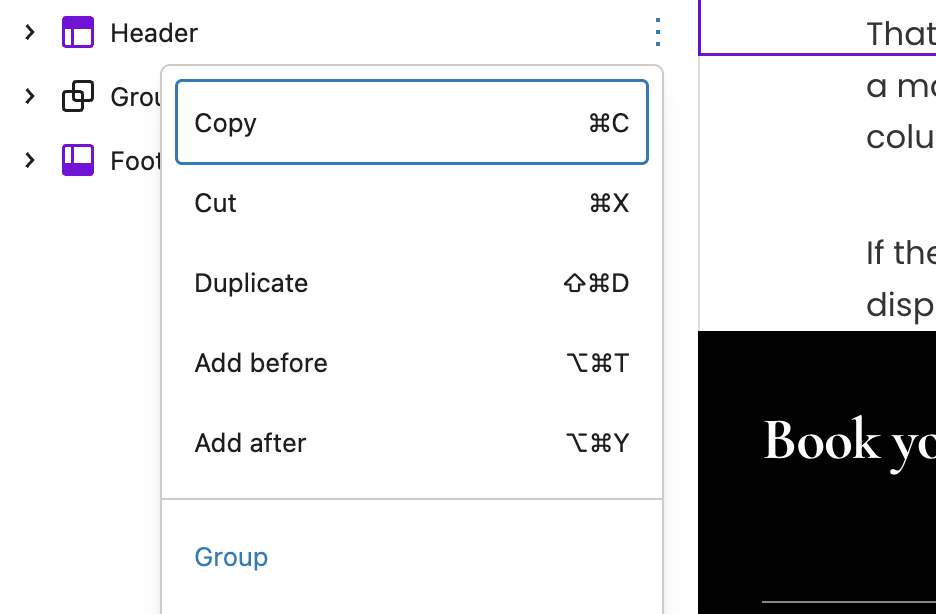
    First, open your site editor (Appearance → Editor) and navigate to your header template.
    If your header isn’t already grouped, select all the elements that make up your header — such as your site title, logo, and navigation block — then click the “Group” option from the block toolbar. This will wrap everything into a single Group block, making it easier to manage layout and positioning.

    Step 2: Set the Group Position to Sticky
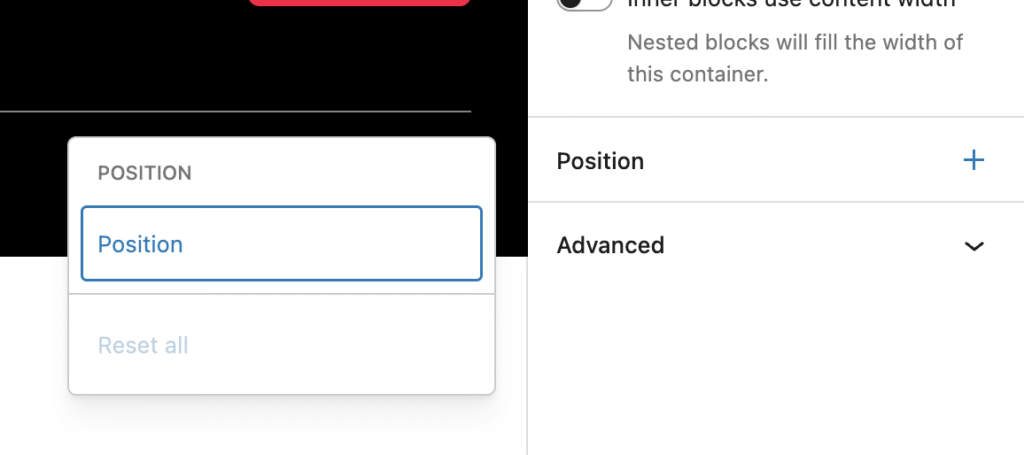
    With the Group block selected, open the Block Settings panel on the right-hand side.
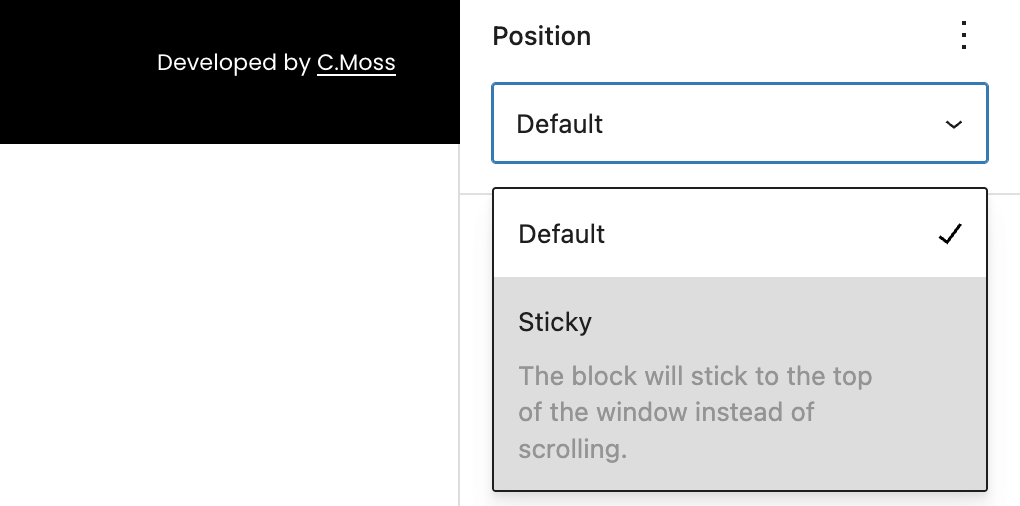
    Under the “Position” section, you’ll find an option called Position. Choose Sticky from the dropdown menu.

    By default, the sticky positioning will apply to the top of the page, but you can also specify whether it should stick to the top, bottom, or another position using additional settings or custom CSS if needed.
    Step 3: Adjust the Z-Index and Spacing (Optional)

    To make sure your sticky header stays visible above other content, you might want to adjust its Z-index.
    In the Advanced settings, look for the Z-index field and set it to something like 10. This ensures it stays layered above your page content.

    Also, check your padding and margins so your header doesn’t overlap the page content when scrolling.

    Step 4: Save and Test
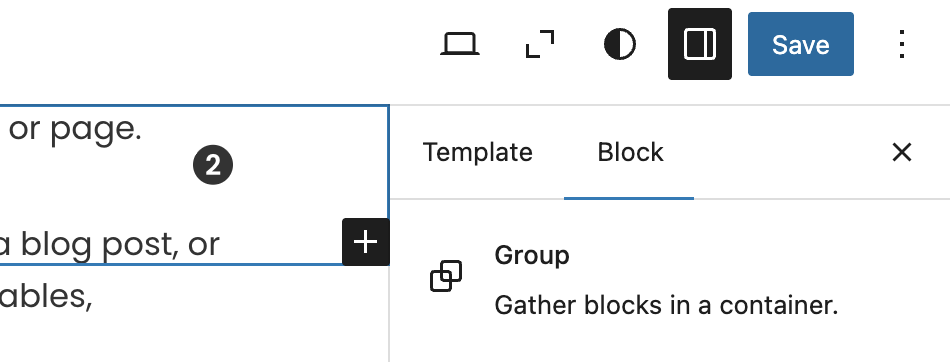
    Click Save in the top right corner and preview your site. Scroll down to confirm that your header remains visible as you move down the page.

    If it’s not behaving as expected, make sure:

    • The header group is at the top level of your template (not nested inside another group with overflow hidden).
    • The sticky option is applied to the correct block.
    • You’ve cleared your browser cache to see the latest changes.

    That’s It!

    With these simple steps, you’ve added a sticky header using only the WordPress Block Editor — no custom CSS or plugins required. This approach keeps your design clean, fast, and easy to manage right inside the Site Editor.

    You can contact us for similar major WordPress adjustments.
  • Trust but Verify:

    Trust but Verify:

    Why Your Coding Skills Still SLAP in the Age of GenAI

    Alright, fam, let’s spill the tea. Everyone’s vibing about GenAI coding tools, and some are even saying, “Is learning to code even a thing anymore?” Hold up, pause. According to a recent Chalk Radio podcast sesh with host Sarah Hansen and coding queen Ana Bell (programmer, author, AND comp-sci prof – talk about a triple threat!), the answer is a big, fat “Trust but Verify.” And honestly? It’s the only way to roll if you don’t want AI to straight-up finesse you.

    AI’s Got Drip, But It Ain’t Perfect 💧😬

    Ana Bell, who’s deep in the coding game, keeps it : Yeah, she uses Generative AI (GenAI) tools. They can be super helpful for getting started. But – and this is a big “but” – these AI sidekicks can totally fumble the bag, especially with the tricky stuff like math or complex programming logic. Even for what seems like simple tasks, AI can serve up some Ls. No cap.

    Your Brain Cells? Still the GOAT 🧠🏆

    This is where your human smarts, your actual coding knowledge, come in to clutch the win.

    • You Call the Shots: Knowing how to code means you can take what AI spits out and actually understand it. It’s a starting point, not the finished masterpiece.
    • Bug Squashing Pro: More importantly, when AI inevitably makes a whoopsie (and it will), your skills let you spot those errors, debug ’em, and fix ’em yourself. Ana Bell straight-up said it’s often easier and faster for her to fix AI’s mistakes directly than to try and re-explain it to the AI like it’s a toddler who just won’t listen. Big mood.

    Lost in Translation: AI’s Chat Game Ain’t Always Strong 🤖💬

    Think about it: trying to get AI to fix its own code by just re-prompting can be a whole vibe check fail.

    • AI’s Guessing Game: These tools are basically playing a high-stakes game of “guess the next word.” They’re probabilistic, meaning they pick what seems most likely. That doesn’t always mean it’s correct or what you actually need.
    • Error Stacking: One little misunderstanding can lead to another, and suddenly your code is a hot mess express. Trying to explain nuances to AI? Good luck, it can easily get confused.
    ai need us for verify

    Why Learning to Code is Still a Power Move 💪✨

    So, what’s the real value of grinding out those coding lessons when AI is in the chat?

    • You’re the Verifier: You’re not just blindly copy-pasting. You have the power to check AI’s work. Is it secure? Is it efficient? Does it even do what you asked? That’s on you, chief.
    • AI as Your Intern, Not Your Boss: Use GenAI to draft the basics, to beat that blank-page anxiety. Then, you step in with your expertise to refine, test, and make sure that code is actually, y’know, good.

    The Human Element: You’re Irreplaceable, Period. 🧑‍💻🔥

    Sarah and Ana were on the same wavelength here: that “verify” part? That’s the human sauce. If you just let AI cook without any checks and balances, you’re playing a risky game. You lose your self-reliance, and you’re way more likely to get led down a buggy, error-filled rabbit hole. Not the flex you want.

    The Takeaway: AI is a Tool, You’re the Artisan 🛠️

    Look, AI coding tools are pretty sick, and they’re here to stay. They can definitely speed things up and help you out. But thinking they’re a replacement for actual, solid programming knowledge? That ain’t it. A deep understanding of coding is what lets you use these AI tools effectively, catch their mistakes, and ultimately build stuff that truly slaps.

    So, keep learning, keep coding, and always remember: Trust the AI to help, but verify its work like your career depends on it… because it kinda does.

  • The Real AI Giants Behind the Curtain

    The Real AI Giants Behind the Curtain

    AI Giants OpenAI, Gemini, and Meta:

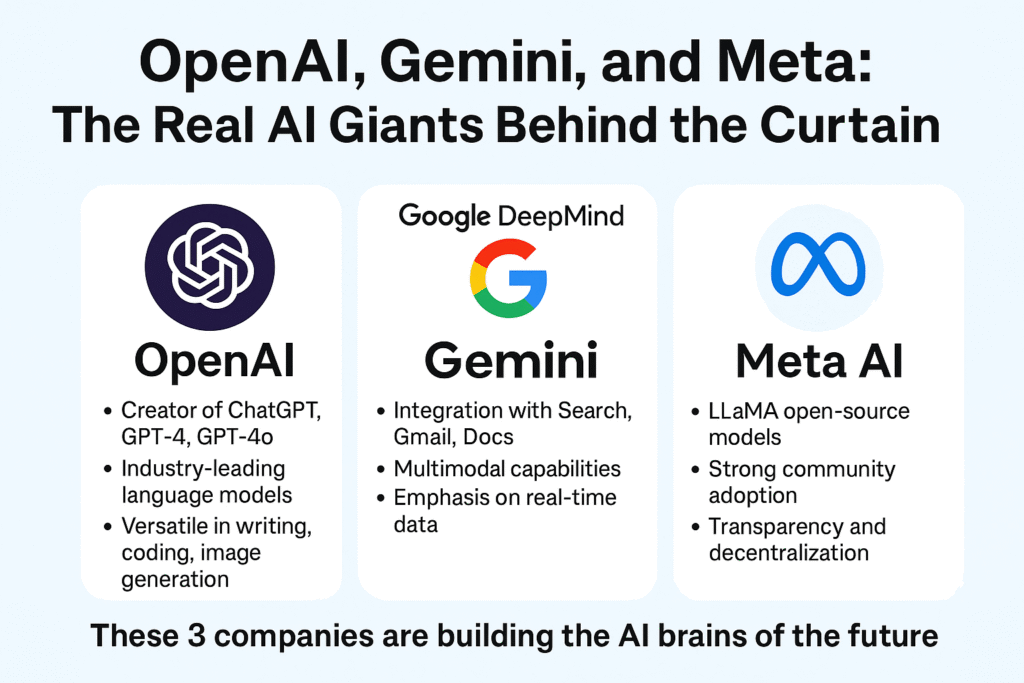
    Artificial Intelligence is now a global battleground, led by the real AI giants — OpenAI, Gemini, and Meta. These three are shaping how we write, code, create, and think.

    Most tools are just the front-end. Only a few elite players are actually building the AI brains that power the future.

    If you’re hearing names like GitHub Copilot, Perplexity, or Claude — just know they’re riding on the engines made by the true AI titans:

    👉 OpenAI
    👉 Google Gemini (DeepMind)
    👉 Meta AI (LLaMA)

    Let’s break it down — who’s really running the AI show in 2025?


    AI Giants OpenAI Gemini Meta

    🧠 1. OpenAI — The Pioneer

    What it is: The creator of ChatGPT, GPT-4, and the brand-new GPT-4o (multimodal, real-time AI).

    Why it matters:

    • Powers millions of tools and apps.
    • From writing emails to building apps — GPT is the brain behind it.
    • Trained by OpenAI, backed by Microsoft, and still at the bleeding edge.

    Flagship tools:

    • ChatGPT – AI assistant, coder, tutor, and creative partner.
    • DALL·E – Text-to-image magic.
    • Codex – The coding brain behind Copilot.
    • GPT API – Used across thousands of startups and enterprises.

    🔥 Why it’s winning:
    It’s the most versatile, most adopted, and most developer-friendly model out there.


    🌐 2. Google Gemini — The Integrator

    What it is: Built by DeepMind (Google’s elite AI lab), Gemini is Google’s direct answer to GPT — and it’s catching up fast.

    Why it matters:

    • Baked into Gmail, Docs, Search, and Android.
    • Gemini 1.5 is fast, multimodal, and real-time.
    • It’s Google — they have the data, the infrastructure, and the users.

    Flagship tools:

    • Gemini App – Like ChatGPT, but inside your Google account.
    • Workspace AI – Summarizes docs, drafts emails, and more.
    • Vertex AI – Power tools for devs via Google Cloud.

    🚀 Why it’s powerful:
    Gemini blends massive compute power with real-time internet access and productivity tools you already use.


    🧬 3. Meta AI — The Open-Source Champion

    What it is: Meta (yes, Facebook) is quietly building the most downloaded open-source AI models in the world — the LLaMA family.

    Why it matters:

    • Free, powerful models you can actually download and use.
    • The favorite of startups, researchers, and AI labs that don’t want to depend on closed APIs.
    • LLaMA 3 just launched — and it’s fast, small, and smart.

    Flagship tools:

    • LLaMA 2 & 3 – Top-tier open models competing with GPT-3.5 and more.
    • Code LLaMA – Great for devs building custom tools.
    • Hugging Face, Databricks, and others use Meta’s models under the hood.

    🌍 Why it matters:
    Meta’s making powerful AI open and accessible — and that’s a huge counter to the closed walls of GPT and Gemini.


    🏆 Real Talk: These Are the 3 Model Builders

    🧠 AI Leader🚀 Model Name🔓 Open-Source?🌟 Superpower
    OpenAIGPT-4, GPT-4o❌ NoCreativity, reasoning, universal assistant
    Google GeminiGemini 1.5❌ NoReal-time search + productivity tools
    Meta AILLaMA 2, LLaMA 3✅ YesFree & open-source foundation models

    Everyone else? They’re building on top of these guys.


    🤖 But What About GitHub Copilot or Perplexity?

    Cool tools. But let’s be clear:

    • Copilot = Built by GitHub, powered by OpenAI.
    • Perplexity = Great AI search, runs on OpenAI + Claude + Mistral.
    • Claude, Mistral, DeepSeek = Worth watching, but still rising.

    If it doesn’t train its own brain — it’s not the boss.


    ✨ Why This Matters to You

    Whether you’re:

    • A developer building the next AI-powered app,
    • A founder choosing the right model,
    • A student learning where the future is headed,

    You should know who’s behind the curtain.

    The next generation of tools — agents, copilots, workflows, assistants — will be built on these 3 giants.


    🎯 Final Take

    🔥 OpenAI: The universal brain. Leading the way.
    🌐 Gemini: The deeply embedded multitool. Fast and connected.
    🧬 Meta: The open-source force. Free the model, fuel the world.

    These aren’t just tools. They’re shaping the entire digital future. contact us for consulting.

  • Future of UX with AI, command-line and voice

    Future of UX with AI, command-line and voice

    AI is Shaping Command-Line and Voice-Based Interactions

    As artificial intelligence (AI) technologies advance at unprecedented speeds, the way we interact with computers is undergoing a major transformation. The future of UX with AI is leaning heavily toward more intuitive, natural interfaces, with command-line-like inputs and voice-based interactions leading the charge.

    From Graphical to Natural Interfaces

    For decades, the primary method of interacting with computers has been through graphical user interfaces (GUIs): icons, windows, and buttons. However, AI is breaking this mold by enabling systems to understand natural language, gestures, and even emotions. This shift reduces the need for rigid interfaces and allows users to communicate their intentions more freely and naturally.

    The Rise of “Command-Line 2.0”

    In a way, we are returning to a command-line experience — but it’s smarter and more flexible. Instead of memorizing syntax and commands, users now describe their needs in everyday language. AI interprets these instructions and acts accordingly. This evolution can be seen in AI tools like ChatGPT, Midjourney, GitHub Copilot, and more.

    Voice and Multimodal Experiences

    Voice interaction, once limited to basic commands, is becoming more sophisticated and widespread. Virtual assistants and AI models can now hold complex conversations, understand context, and respond visually or audibly. Future UX will often combine voice, text, and visual feedback for richer, more accessible user experiences.

    Personalized and Predictive UX

    One of AI’s greatest strengths is personalization. Future user experiences will not just respond to input — they will anticipate needs, suggest actions, and adapt dynamically. Sentiment analysis, behavior tracking, and machine learning models will make UX feel tailor-made for each individual user.

    What This Means for the Future

    The future of UX with AI is not just about better interfaces — it’s about redefining the entire human-computer relationship. Users will no longer need to learn how systems work; systems will learn how users work. Whether through natural language, predictive actions, or hyper-personalized environments, UX will become more seamless, accessible, and human than ever before.

  • How to Fix Your Legacy Website

    How to Fix Your Legacy Website

    A legacy website may seem functional, but over time, it can lead to slow performance, security vulnerabilities, poor SEO rankings, and lost revenue. If your site is outdated, it’s time to take action before it impacts your business further. In this guide, we’ll walk you through the essential steps to fix your legacy website and bring it up to modern standards.

    Assess the Current State of Your Website

    Before making any changes, conduct a comprehensive audit to identify major issues, including:

    • Loading Speed Issues – Use tools like Google PageSpeed Insights to check your website’s performance.
    • Security Risks – Outdated CMS versions, plugins, or missing SSL certificates.
    • SEO Problems – Check for broken links, duplicate content, and outdated metadata.
    • Mobile Responsiveness – Test your site on various devices to ensure a seamless user experience.
    • User Experience (UX) Concerns – Analyze navigation, readability, and overall site structure.

    Update Your Website’s Code & CMS

    An outdated website often runs on old technology, making it vulnerable to hacks and performance issues. To fix this:

    • Upgrade to the latest version of your CMS (e.g., WordPress, Joomla, or Drupal).
    • Replace outdated plugins with secure, well-supported alternatives.
    • Migrate to a modern tech stack if your site is using obsolete frameworks.

    Improve Website Speed & Performance

    A slow website can drive visitors away. Speed up your site with these optimizations:

    • Enable caching to reduce load times.
    • Compress images and files to lower page weight.
    • Use a Content Delivery Network (CDN) to improve global accessibility.
    • Optimize code by removing unnecessary scripts and reducing HTTP requests.

    Strengthen Website Security

    Cyber threats are constantly evolving, and legacy websites are prime targets. Improve your security by:

    • Installing an SSL certificate to encrypt data.
    • Using a secure hosting provider with regular security updates.
    • Implementing multi-factor authentication (MFA) for admin access.
    • Regularly backing up your site to prevent data loss.

    Redesign for Modern UX & Mobile-Friendliness

    User expectations have changed, and a poor UX can hurt your brand. Make sure your website:

    • Has a mobile-first design that adapts seamlessly to all screen sizes.
    • Uses modern UI elements such as clean navigation, easy-to-read fonts, and interactive buttons.
    • Follows accessibility best practices to be usable by all visitors, including those with disabilities.

    Optimize for SEO & Improve Content

    A legacy website may have outdated SEO practices that hurt its visibility. Optimize by:

    • Updating meta titles and descriptions with relevant keywords.
    • Fixing broken links and redirects to maintain SEO authority.
    • Enhancing content with fresh, valuable insights for users.
    • Using structured data (Schema Markup) to improve search rankings.

    Migrate to a Scalable Infrastructure

    If your website is struggling with performance or growth, consider:

    • Switching to cloud-based hosting for better scalability and uptime.
    • Adopting a headless CMS for greater flexibility.
    • Upgrading your database and backend systems to improve efficiency.

    Final Thoughts

    Fixing a legacy website is more than just making it look good; it’s about improving performance, security, and user experience. By implementing these changes, you can boost engagement, enhance security, and increase conversions. Don’t let an outdated website hold your business back—start upgrading today!


    Need help fixing your legacy website? Our Affordable Managed IT Services ensure a smooth transition to a modern, secure, and high-performing website. Contact us today for a free consultation!